


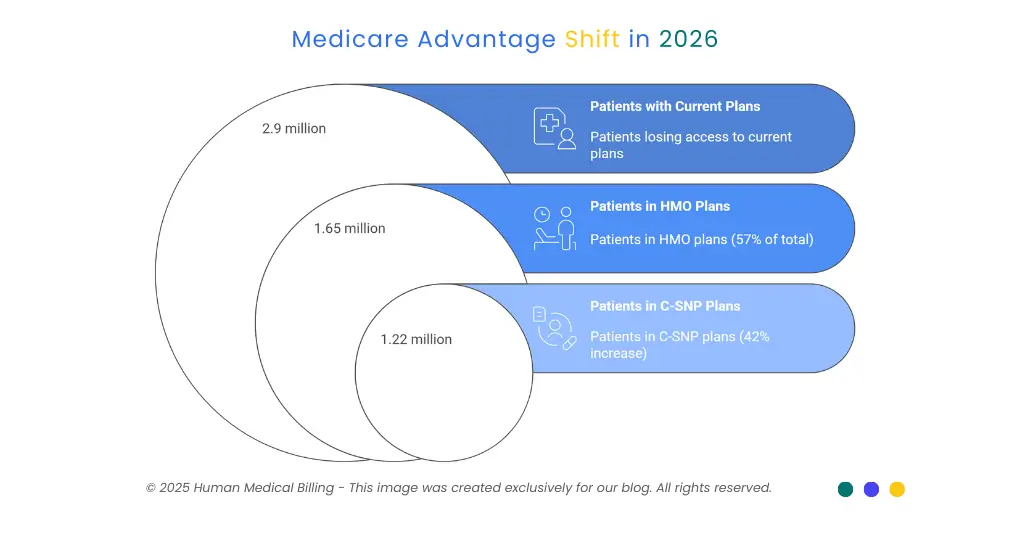
In 2026, understanding Medicare enrollment timelines is essential for beneficiaries who want to secure or adjust their healthcare coverage efficiently. The Medicare Advantage Plan Enrollment Period plays a central role in determining when individuals can join, switch, or drop plans without penalties, making it one of the most important windows in the healthcare calendar. With rising healthcare costs and increased plan options, more seniors are reviewing their choices earlier than ever. This period not only affects coverage flexibility but also influences out-of-pocket expenses, provider access, and prescription benefits. Knowing the exact timelines ensures better financial planning and improved healthcare outcomes for millions of enrollees across the United States. comparemedicareadvantageplans.org
Apart from the primary enrollment window, Medicare beneficiaries should understand multiple overlapping enrollment opportunities that shape coverage decisions in 2026. The Annual Enrollment Period (AEP), running from October 15 to December 7, remains the most active phase, allowing individuals to join or switch Medicare Advantage plans. The Medicare Advantage Open Enrollment Period, from January 1 to March 31, provides additional flexibility for those already enrolled. The Initial Enrollment Period applies to new beneficiaries turning 65, while Special Enrollment Periods are triggered by life events such as relocation or loss of employer coverage. Collectively, these timelines ensure continuous access to healthcare options and reduce coverage gaps for millions of Americans each year.
Top Trending Insights for 2026 Enrollment:
Recent data trends show that Medicare Advantage enrollment behavior continues to evolve significantly in 2026. First, more beneficiaries are actively switching plans during the annual window, driven by changes in premiums and coverage benefits. Second, digital enrollment tools are seeing record usage, with a large percentage of applications now completed online rather than through paper forms. Third, prescription drug optimization has become a primary decision factor, as individuals compare formulary lists more carefully. Fourth, rural and suburban plan availability is expanding, improving access for previously underserved regions. Finally, awareness campaigns and informational resources have increased overall understanding of enrollment timelines, leading to more proactive decision-making. Analysts estimate that nearly seven out of ten beneficiaries now review their plan options each year before making a final selection.
Insights for Beneficiaries:
Many individuals still have questions about how enrollment periods affect their coverage choices in 2026. One common concern is the best time to make changes, with most experts recommending the Annual Enrollment Period due to its broad flexibility. Another frequent question involves missing deadlines; in most cases, missing key windows may limit options or delay coverage changes until the next cycle. Beneficiaries also ask whether multiple changes are allowed, and in most cases, adjustments are restricted to specific enrollment periods unless qualifying events occur. Additionally, concerns about penalties remain relevant, especially for late enrollment in prescription coverage-related plans. Understanding these details helps reduce confusion and ensures smoother healthcare planning throughout the year.
In summary, enrollment periods in 2026 remain structured yet flexible enough to accommodate changing healthcare needs. With millions of beneficiaries evaluating their options annually, understanding timelines is critical for maximizing benefits and minimizing costs. Statistics continue to show growing engagement, with more individuals actively comparing coverage options and adjusting plans based on health requirements. Staying informed about enrollment windows ensures uninterrupted access to essential healthcare services and helps individuals make confident, cost-effective decisions. As healthcare choices expand, timely action during designated enrollment periods becomes even more important for long-term financial and medical well-being.