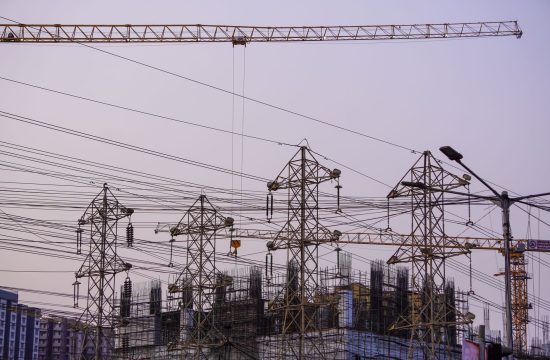
The Green Energy Corridor is set to revolutionize India’s energy landscape with the addition of 51,126 ckm transmission lines and 50 GWh BESS.
Overview of the Green Energy Corridor
The Green Energy Corridor is a crucial initiative aimed at enhancing the transmission of renewable energy across India. This project facilitates the integration of renewable energy sources into the national grid, promoting sustainable development.
With the third edition of the Green Energy Corridor set to add 51,126 circuit kilometers (ckm) of transmission lines and 50 GWh of Battery Energy Storage Systems (BESS), it marks a significant advancement in India’s energy infrastructure. The initiative focuses on:
- Improving grid stability and reliability
- Reducing transmission losses associated with renewable energy
- Encouraging investments in green technologies
As India strives to meet its climate goals, the Green Energy Corridor emerges as a vital component in supporting the transition to a cleaner energy future.
Impact on Renewable Energy
The Green Energy Corridor is poised to significantly impact India’s renewable energy landscape. With the addition of 51,126 circuit kilometers of transmission lines and a capacity of 50 GWh for Battery Energy Storage Systems (BESS), the corridor aims to enhance the efficiency of renewable energy distribution across the nation.
This initiative is expected to:
- Facilitate the integration of various renewable energy sources, including solar and wind, into the national grid.
- Reduce transmission losses by providing a more robust infrastructure for energy transfer.
- Promote energy security by diversifying energy sources and reducing dependence on fossil fuels.
- Encourage investments in renewable technologies, further driving down costs and fostering innovation.
Overall, the Green Energy Corridor represents a critical step toward achieving India’s ambitious renewable energy targets.
Details of the New Transmission Lines
The latest developments in the Green Energy Corridor project include the introduction of new transmission lines aimed at enhancing India’s renewable energy capabilities. These advancements will feature a total of 51,126 circuit kilometers (ckm) of transmission lines, significantly increasing the capacity to transport green energy across the country.
In addition, the project will incorporate 50 gigawatt-hours (GWh) of Battery Energy Storage Systems (BESS), which are essential for stabilizing energy supply and ensuring reliability. The introduction of these systems will help overcome the intermittency issues associated with renewable energy sources such as solar and wind.
As India strives to meet its ambitious renewable energy targets, the Green Energy Corridor stands out as a pivotal initiative, promising to enhance energy security and promote sustainable growth across various sectors.
Benefits of Battery Energy Storage Systems
The integration of Battery Energy Storage Systems (BESS) within the framework of the Green Energy Corridor offers several key advantages for India’s energy landscape.
- Stabilization of the Grid: BESS helps to manage fluctuations in renewable energy generation, ensuring a consistent power supply.
- Enhanced Energy Efficiency: By storing excess energy during low demand periods, BESS optimizes the use of renewable resources.
- Reduction of Transmission Losses: With the ability to store energy close to the point of use, BESS minimizes losses associated with long-distance transmission.
- Support for Renewable Integration: It encourages the use of intermittent sources like solar and wind, which are critical for the success of the Green Energy Corridor.
Incorporating BESS will not only facilitate a smoother transition to renewable energy but also enhance the reliability and sustainability of India’s energy infrastructure.
Government’s Role in Infrastructure Development
The government’s role in the development of the Green Energy Corridor is crucial for its successful implementation. By prioritizing infrastructure investment, the government aims to enhance the efficiency of renewable energy transmission across the country. Key responsibilities include:
- Establishing regulatory frameworks to facilitate the integration of renewable energy sources.
- Providing financial incentives for private sector involvement in building and maintaining transmission lines.
- Collaborating with state governments to ensure alignment with local energy policies.
- Promoting research and innovation in smart grid technologies to optimize energy distribution.
The third edition of the Green Energy Corridor is set to add over 51,126 ckm of transmission lines and 50 GWh of Battery Energy Storage Systems (BESS), showcasing the government’s commitment to fostering a more sustainable energy landscape.
Challenges in Implementation
While the Green Energy Corridor holds promise for enhancing India’s renewable energy framework, several challenges impede its implementation.
Key obstacles include:
- Funding Issues: Securing adequate financing for extensive infrastructure projects remains a significant hurdle.
- Land Acquisition: Acquiring land for transmission lines can lead to conflicts and delays, especially in densely populated areas.
- Technological Integration: The integration of diverse energy sources requires advanced technology and skilled manpower, which are currently in short supply.
- Regulatory Challenges: Navigating the complex regulatory landscape can slow down project approvals and implementation timelines.
- Public Awareness: Limited public knowledge about the benefits of the Green Energy Corridor may lead to resistance against new projects.
Addressing these challenges is crucial for the successful realization of the Green Energy Corridor initiative.
Future of Energy in India
The future of energy in India is increasingly tied to the development of the Green Energy Corridor, a transformative initiative aimed at enhancing the integration of renewable resources into the national grid. As the country strives for a sustainable energy mix, the corridor plays a crucial role in supporting wind and solar power generation. With the addition of 51,126 circuit kilometers of transmission lines and 50 GWh of battery energy storage systems, the corridor is set to revolutionize energy distribution.
Key components of this future include:
- Increased efficiency: Streamlined transmission capabilities to reduce energy losses.
- Enhanced reliability: Improved infrastructure to meet growing energy demands.
- Environmental benefits: Reduction of carbon emissions through cleaner energy sources.
Collectively, these advancements position the Green Energy Corridor as a cornerstone for India’s sustainable energy future.
Conclusion and Next Steps
In conclusion, the Green Energy Corridor represents a significant step forward in India’s pursuit of sustainable energy solutions. By enhancing the transmission infrastructure and integrating renewable sources, this initiative aims to address the growing energy demands while reducing reliance on fossil fuels.
As we look ahead, several key steps must be taken to ensure the success of the Green Energy Corridor:
- Investment in Technology: Continued investment in advanced technologies will be essential for optimizing energy storage and distribution.
- Policy Support: Strong governmental support and clear policies will be crucial in overcoming implementation challenges.
- Public Awareness: Increasing public awareness and involvement can enhance the acceptance and effectiveness of these initiatives.
By addressing these aspects, India can pave the way for a sustainable energy future, making the Green Energy Corridor a cornerstone of its energy strategy.
By USDAgov via Openverse