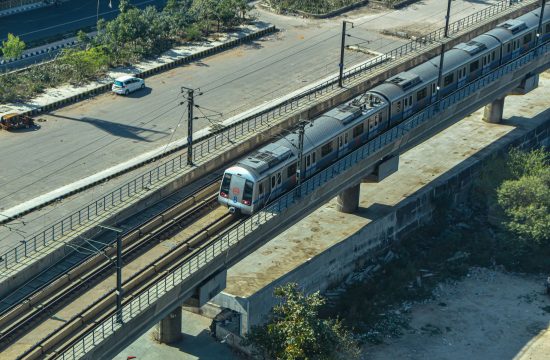
Mokama rail bridge has officially opened following CRS approval, marking a significant advancement in regional infrastructure and connectivity.
Overview of the Mokama Rail Bridge
The Mokama rail bridge stands as a testament to modern engineering and infrastructure development. Recently inaugurated, this double-line rail bridge has been designed to enhance connectivity and improve transportation efficiency across the region. With its strategic location, the bridge plays a crucial role in facilitating seamless movement of goods and passengers.
One of the significant features of the Mokama rail bridge is its robust construction, which ensures durability and safety. The bridge has been developed with advanced technology, making it a prime example of smart infrastructure. This innovation not only supports the increasing demands of rail traffic but also promotes sustainable transport solutions.
Key highlights of the Mokama rail bridge include:
- Increased Capacity: The double-line design allows for more trains to operate simultaneously.
- Safety Enhancements: Modern safety measures have been integrated into the structure.
- Environmental Considerations: The construction prioritizes minimal ecological impact.
Overall, the Mokama rail bridge is a significant milestone in the region’s infrastructure development journey.
Importance of CRS Approval
The significance of receiving CRS approval for the Mokama rail bridge cannot be understated. This approval ensures that the bridge meets the stringent safety and operational standards set by the Commissioner of Railway Safety. The rigorous evaluation process involves a thorough assessment of various factors, including structural integrity, design specifications, and adherence to safety protocols.
Additionally, CRS approval is crucial for instilling public confidence in the new infrastructure. It reassures passengers and freight operators that the Mokama rail bridge has been constructed with the highest levels of safety in mind. The approval process also includes detailed inspections and trials, confirming that the bridge can handle the expected traffic loads efficiently.
Furthermore, the successful completion of this process paves the way for enhanced connectivity in the region, promoting economic growth. The Mokama rail bridge will not only facilitate faster transit times but will also contribute to the overall improvement of the railway network. This milestone marks a significant step forward in smart infrastructure development.
Impact on Regional Connectivity
The opening of the Mokama rail bridge marks a significant enhancement in regional connectivity, facilitating smoother and faster transportation across the region. This new infrastructure development is poised to transform the movement of goods and passengers alike.
With the dual-line capability of the Mokama rail bridge, several key benefits are expected:
- Increased Efficiency: Trains can operate simultaneously in both directions, reducing wait times and congestion.
- Economic Growth: Improved rail connectivity is likely to boost local businesses by enabling quicker access to markets.
- Job Creation: The bridge is expected to create job opportunities in construction, maintenance, and local transport services.
- Environmental Benefits: Enhanced rail services can lead to a reduction in road traffic, lowering carbon emissions.
As a result of these developments, the Mokama rail bridge is not only a testament to modern engineering but also a catalyst for regional growth, paving the way for better living standards and economic opportunities.
Construction Highlights
The construction of the Mokama rail bridge showcases advanced engineering and design techniques that contribute to its status as a smart infrastructure development. The project was marked by several significant highlights that underline its innovative approach.
- Foundation and Design: The bridge features a robust foundation designed to withstand extreme weather conditions, ensuring longevity and durability.
- Material Use: Sustainable materials were prioritized, minimizing environmental impact while enhancing structural integrity.
- Technology Integration: Smart sensors are embedded within the structure, allowing for real-time monitoring and maintenance alerts.
- Construction Timeline: The bridge was completed ahead of schedule, demonstrating efficient project management and execution.
- Community Engagement: Local communities were involved in the planning process, ensuring that the bridge meets regional needs and expectations.
Overall, the construction of the Mokama rail bridge not only enhances connectivity but also sets a benchmark for future infrastructure projects across the country.
Future Infrastructure Plans
As the Mokama rail bridge begins operations, authorities are already looking ahead to future infrastructure plans that will further enhance regional connectivity and support economic growth. The successful completion and opening of the Mokama rail bridge signify a pivotal step towards modernizing the rail network in the area.
Key initiatives on the horizon include:
- Expansion of Rail Services: Plans are underway to introduce additional train services that will utilize the new bridge, improving accessibility for commuters and businesses alike.
- Upgrading Surrounding Infrastructure: Investments will be made in nearby roads and transport facilities to ensure seamless integration with the Mokama rail bridge.
- Implementation of Smart Technologies: Future projects aim to incorporate advanced monitoring systems and real-time data analytics to enhance safety and efficiency on the rail network.
Incorporating these initiatives will not only solidify the importance of the Mokama rail bridge but also lay the groundwork for a robust infrastructure framework that meets the demands of a growing population.
Community Reactions
The Mokama rail bridge has garnered significant attention from the local community, with reactions ranging from excitement to cautious optimism. Many residents express their hopes for improved economic opportunities and enhanced connectivity with the opening of this vital infrastructure.
Local business owners are particularly enthusiastic, anticipating an increase in trade as transportation becomes more efficient. “This bridge will change the game for us,” said a shopkeeper from Mokama, highlighting the potential for greater customer access.
In contrast, some community members have voiced concerns regarding the environmental impact of the construction. “While we welcome the Mokama rail bridge, we must also ensure that our natural surroundings are preserved,” stated a local environmental activist.
Additionally, parents of schoolchildren are relieved, as the new bridge is expected to reduce travel time for students commuting to nearby educational institutions. “Fewer delays mean more time for learning,” one parent pointed out.
Overall, the community remains hopeful that the Mokama rail bridge will foster sustainable growth while addressing their concerns.
Economic Benefits of the Bridge
The completion of the Mokama rail bridge is expected to bring significant economic benefits to the region. This vital infrastructure project will enhance trade and improve accessibility for local businesses, fostering a more robust economic environment.
Key economic advantages include:
- Increased Trade Opportunities: The bridge will facilitate smoother transportation of goods, allowing businesses to reach broader markets.
- Job Creation: Construction and subsequent operational phases will create numerous job opportunities, benefiting the local workforce.
- Attracting Investments: Enhanced connectivity will make the region more attractive to investors, leading to potential growth in various sectors.
- Boosting Tourism: Improved infrastructure can also encourage tourism, as visitors will find it easier to access key attractions.
Overall, the Mokama rail bridge is not just a transportation asset; it is a catalyst for economic development that will uplift the community and contribute to regional prosperity.
Challenges Faced During Construction
The construction of the Mokama rail bridge was not without its challenges, as various obstacles emerged throughout the project. One of the primary issues was the complex geological conditions in the region. Engineers had to adapt their designs to accommodate the unstable soil, which posed risks during the foundation-laying phase.
Additionally, the project faced delays due to environmental concerns. Local wildlife habitats and the river ecosystem required careful assessment and protection measures, leading to extended timelines. Funding constraints also complicated the construction process, as securing the necessary finances for such a large-scale infrastructure project proved difficult at times.
Moreover, logistical hurdles played a significant role. Coordinating the delivery of materials and equipment to the remote construction site posed challenges, especially during monsoon seasons. Despite these difficulties, the Mokama rail bridge has now been successfully completed, symbolizing resilience and innovation in engineering.
As the bridge opens to public use, lessons learned from these challenges will inform future infrastructure developments across the region.