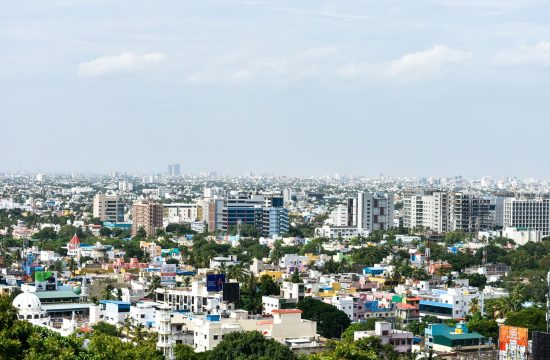
The Seychelles reclamation programme is designed to address land constraints through its fourth phase, enhancing real estate development opportunities.
Overview of the Seychelles reclamation programme
The Seychelles reclamation programme is a strategic initiative aimed at addressing the growing land constraints faced by the archipelago. As the nation continues to evolve and attract investment, the need for additional land has become increasingly pressing. The programme focuses on creating new land by reclaiming areas from the ocean, thus providing solutions for housing, commercial developments, and infrastructure projects.
Recently, Seychelles launched the fourth phase of this ambitious project, signaling a commitment to sustainable development and environmental considerations. This phase aims to further enhance the available land resources, facilitating economic growth while ensuring ecological balance.
Key objectives of the programme include:
- Increasing the total land area available for development.
- Providing affordable housing options for residents.
- Encouraging investments in tourism and other sectors.
- Implementing environmentally friendly practices throughout the reclamation process.
As Seychelles moves forward with its reclamation programme, it is poised to become a model for other island nations facing similar challenges in land scarcity.
Impact on local real estate market
The Seychelles reclamation programme is poised to significantly impact the local real estate market, offering new opportunities for development and investment. As the government progresses into the fourth phase of this initiative, it aims to alleviate the persistent land constraints faced by both residents and businesses.
One of the most notable effects of the reclamation programme is the potential increase in property values. With more land available for development, the demand for real estate is expected to rise, leading to a competitive market. Developers are likely to capitalize on this new supply, creating residential and commercial spaces that cater to growing demographics.
Additionally, the programme could attract foreign investors seeking to tap into Seychelles’ unique environment and tourism potential. The influx of investment may foster economic growth, further enhancing the attractiveness of the local real estate market.
However, while the reclamation programme presents numerous advantages, it is essential to consider the environmental implications. Stakeholders must balance development with sustainable practices to ensure that Seychelles’ natural beauty remains intact for future generations.
Environmental considerations in land reclamation
The Seychelles reclamation programme has sparked a vigorous debate regarding its environmental implications. As the government pushes forward with its initiatives to create new land for development, environmentalists raise concerns about the potential impact on the delicate coastal ecosystems of the islands.
Among the primary environmental considerations are:
- Habitat Disruption: Reclamation efforts could disrupt marine habitats, affecting local biodiversity.
- Water Quality: Increased sedimentation from land reclamation can deteriorate water quality, impacting both marine life and tourism.
- Coastal Erosion: Altering natural shorelines may lead to increased coastal erosion, threatening existing properties and infrastructure.
- Climate Resilience: The loss of mangroves and other natural buffers could make the islands more vulnerable to climate change effects, such as rising sea levels and severe storms.
Proponents of the Seychelles reclamation programme argue that with proper planning and environmental assessments, these risks can be mitigated. However, ongoing dialogue between developers and environmental advocates will be crucial to ensure sustainable land development practices that do not compromise the unique ecosystems of the Seychelles.
Future phases of the reclamation initiative
The Seychelles reclamation programme continues to evolve, with plans for future phases aimed at addressing the pressing land constraints faced by the archipelago. The government has outlined several key initiatives to enhance land availability, which is crucial for both residential and commercial development.
Future phases of the reclamation initiative will focus on:
- Expansion of reclaimed land: More areas will be targeted for reclamation, particularly in densely populated regions where land is scarce.
- Sustainable development practices: Each phase will incorporate environmentally friendly practices to minimize ecological impact, ensuring that any new land developed aligns with conservation efforts.
- Community engagement: Local residents and stakeholders will be involved in the planning process to ensure that the projects meet community needs and aspirations.
- Infrastructure improvements: Alongside land reclamation, significant investments in infrastructure will support new developments, including roads, utilities, and public spaces.
As the Seychelles reclamation programme progresses, it is expected to play a vital role in shaping the future of land use in the islands, balancing growth with sustainability.
Community response to the new developments
The community response to the Seychelles reclamation programme has been mixed, reflecting a blend of optimism and concern among residents. Many locals are excited about the potential economic benefits that come with new land development, including job creation and improved infrastructure.
Supporters argue that the reclamation initiative will provide essential solutions to the ongoing land shortage, enabling more families to secure homes and businesses to expand. They believe the programme could stimulate growth in various sectors, particularly tourism and real estate.
However, there are notable apprehensions among environmental groups and some community members. Concerns about the ecological impact of land reclamation, particularly on marine life and coastal ecosystems, have been raised. Critics emphasize the need for sustainability and urge the government to prioritize environmental assessments in the reclamation process.
Residents are also calling for more transparency and community involvement in the planning stages, hoping to ensure that the Seychelles reclamation programme aligns with public interests and preserves the unique natural heritage of the islands.
- Economic Development: Job opportunities and infrastructure improvements.
- Environmental Concerns: Potential negative impacts on ecosystems.
- Community Engagement: Calls for transparency and public involvement.