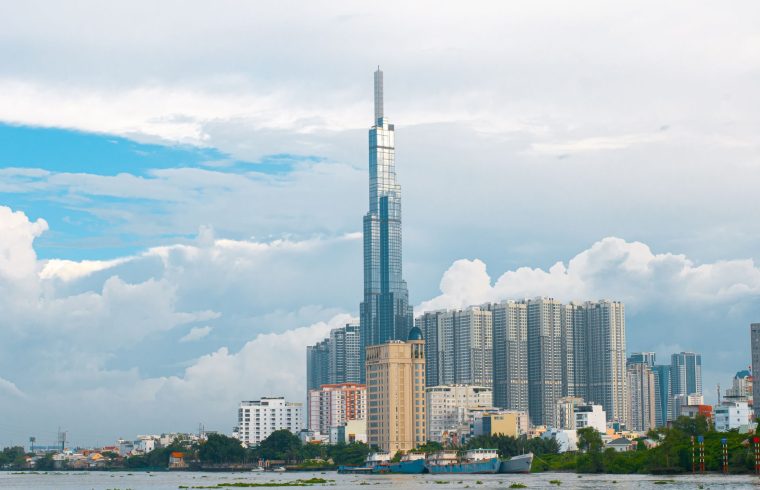
Ho Chi Minh City real estate is under scrutiny as high prices and weak purchasing power raise concerns. With inadequate infrastructure, the market’s future remains uncertain.
Current State of the Real Estate Market
The current state of the Ho Chi Minh City real estate market presents a complex scenario for potential investors. Despite the vibrant growth of the city, several factors are impacting the market dynamics.
Firstly, high prices have become a significant barrier for many buyers. In recent months, property values have soared, making it increasingly difficult for average residents to purchase homes. This situation is further exacerbated by weak purchasing power, as many citizens struggle with rising living costs and stagnant wages.
Moreover, the city’s infrastructure is lagging behind the rapid urban development. Key areas still face challenges such as:
- Inadequate public transportation systems
- Traffic congestion
- Insufficient utilities and services
These infrastructural shortcomings raise concerns regarding the long-term viability of investments in the Ho Chi Minh City real estate market. Potential buyers may question whether the current high prices are justified, considering the lack of essential services and amenities.
As investors weigh the risks, it remains crucial to evaluate whether the potential returns on property in Ho Chi Minh City can outweigh the challenges posed by high prices and inadequate infrastructure.
Factors Affecting Property Prices
The landscape of Ho Chi Minh City real estate is influenced by multiple factors that can significantly affect property prices. Understanding these elements is crucial for potential investors and homebuyers alike.
- Economic Growth: The city has been experiencing rapid economic growth, attracting both local and foreign investors. This influx of capital often leads to increased demand for properties, pushing prices higher.
- Supply and Demand: The balance between available properties and buyer interest plays a pivotal role. Currently, there is a notable disparity between the supply of new developments and the purchasing power of potential buyers, impacting price stability.
- Infrastructure Development: Ongoing infrastructure projects, such as new roads and public transit options, can enhance property values. However, inadequate infrastructure in some areas may deter investments and lower demand.
- Government Policies: Regulations and incentives from the government can either stimulate or hinder the real estate market. Policies that promote foreign investment may boost activity but could also lead to volatility in prices.
- Market Sentiment: The perception of the market can greatly influence buyer confidence. Factors like economic forecasts and urban development plans often shape public opinion and, consequently, property prices.
Impact of Infrastructure on Real Estate
Infrastructure plays a crucial role in shaping the real estate landscape of Ho Chi Minh City. As the demand for residential and commercial properties continues to rise, the existing infrastructure often struggles to keep pace. This discrepancy can significantly impact the overall attractiveness of the market.
Key elements of infrastructure that influence real estate include:
- Transportation Networks: Efficient roads, metro systems, and public transport options enhance accessibility, making neighborhoods more desirable.
- Utilities and Services: Reliable water supply, electricity, and waste management systems are essential for residential comfort and business operations.
- Healthcare and Education: Proximity to quality hospitals and schools can elevate property values, as families prioritize these factors when choosing where to live.
The current state of infrastructure in Ho Chi Minh City presents both challenges and opportunities. While some areas are well-developed, others remain underfunded, leading to disparities in property values. Investors need to weigh these factors carefully when considering Ho Chi Minh City real estate. As the government plans to improve and expand infrastructure, potential buyers may find that properties in growing areas could appreciate in value over time. However, the lingering issues of high prices and weak purchasing power remain a concern for many. Ultimately, understanding the interplay between infrastructure and real estate is vital for making informed investment decisions.
Purchasing Power Trends in Vietnam
The purchasing power trends in Vietnam, especially in Ho Chi Minh City, are crucial in understanding the current state of the real estate market. Over the past few years, the economic landscape has undergone significant shifts, affecting consumers’ ability to invest in property.
In recent months, several factors have influenced purchasing power:
- Inflation: Rising prices of essential goods have eroded disposable income, making it challenging for potential buyers to commit to large investments like real estate.
- Wage Stagnation: Despite economic growth, wages have not kept pace with the increasing cost of living, further straining household budgets.
- Credit Restrictions: Lending conditions have tightened, with banks becoming more cautious in approving loans for property purchases, limiting access for many buyers.
- Consumer Confidence: The uncertainty surrounding the economy has led to a cautious approach among potential investors, affecting demand in the Ho Chi Minh City real estate market.
These trends suggest that while Ho Chi Minh City real estate may seem appealing, the actual purchasing power of consumers raises questions about the sustainability of prices. Many potential buyers are hesitant, weighing the risks against their financial capabilities.
Expert Opinions on Market Future
Experts in the field of real estate are divided on the future of Ho Chi Minh City real estate, especially considering the current challenges facing the market. Some analysts argue that high prices combined with weak purchasing power could deter potential buyers, leading to a stagnation in sales. Nguyen Van Minh, a prominent real estate consultant, states, “The market needs to adjust to align with the financial capabilities of the average buyer. Without affordable options, growth may be limited.”
On the other hand, there are those who believe that the potential for long-term growth remains. Tran Thi Hoa, a market analyst, suggests that “despite current hurdles, the city’s economic development and urbanization plans could create new opportunities.” She emphasizes the importance of government initiatives aimed at improving infrastructure, which can further stimulate interest in Ho Chi Minh City real estate.
Moreover, some experts highlight that foreign investment is still a key driver for the market. “As international interest grows, we may see a resurgence in property sales,” notes Le Quang Hieu, a financial advisor. He points out that the ongoing global economic recovery could encourage overseas buyers to consider Ho Chi Minh City as a viable investment option.
Ultimately, while risks remain, the potential rewards could make navigating the Ho Chi Minh City real estate landscape worthwhile.
Comparative Analysis with Other Cities
When considering the prospects of Ho Chi Minh City real estate, it is essential to look at how it compares to other major cities in the region. Various factors contribute to the attractiveness of a city’s real estate market, including economic stability, infrastructure development, and investment opportunities.
In Southeast Asia, cities such as Bangkok, Kuala Lumpur, and Jakarta offer their own unique advantages:
- Bangkok: Known for its vibrant economy and extensive public transport system, Bangkok has seen a steady influx of both local and foreign investors. Property prices are competitive, yet the market continues to grow.
- Kuala Lumpur: With a focus on modern infrastructure and a diverse range of property options, Kuala Lumpur attracts many expatriates and investors. The city’s real estate market is often viewed as more accessible than that of Ho Chi Minh City.
- Jakarta: While facing challenges such as traffic congestion, Jakarta’s real estate market is bolstered by a large population and increasing urbanization, making it a potentially lucrative investment location.
These comparisons highlight the complexities facing Ho Chi Minh City real estate, as it navigates high prices and varying purchasing power, ultimately raising the question of whether the risks will pay off in the long run.
Potential Opportunities for Investors
Despite the challenges confronting the Ho Chi Minh City real estate market, potential opportunities for investors remain apparent. As the city continues to evolve, several factors could create favorable conditions for those looking to make strategic investments.
- Emerging Areas: As urbanization progresses, neighborhoods on the outskirts of Ho Chi Minh City are becoming increasingly attractive. These areas may offer lower entry prices and high potential for appreciation as infrastructure developments continue.
- Foreign Investment: The Vietnamese government’s initiatives to encourage foreign direct investment can lead to increased capital flow into the Ho Chi Minh City real estate sector, fostering growth and new opportunities.
- Residential Demand: With a growing population and a rising middle class, there is a significant demand for housing. This demographic shift can create opportunities for investors willing to develop residential properties.
- Commercial Real Estate: As businesses expand and new enterprises emerge, the demand for commercial spaces is likely to increase, presenting lucrative opportunities for investors focused on this segment.
In conclusion, while the Ho Chi Minh City real estate market faces obstacles, investors who conduct thorough research and focus on the right segments may find rewarding opportunities amidst the challenges.
Photo by Hiển Hồ on Pexels