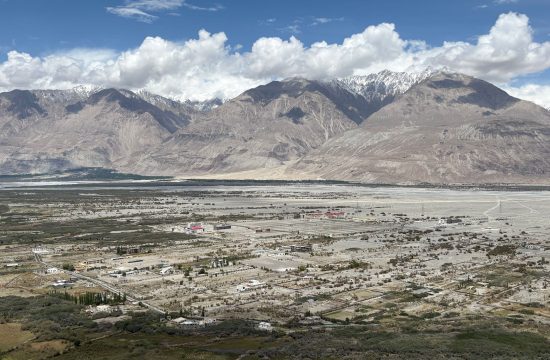
Inclusive Development Projects are reshaping communities for the better. With initiatives like PM-AJAY, the focus is on creating Adarsh Grams and improving educational infrastructure.
Overview of PM-AJAY
The PM-AJAY initiative, launched by the Indian government, focuses on promoting inclusive development projects aimed at uplifting rural communities through various socio-economic and educational initiatives. This program is designed to create Adarsh Grams, or model villages, that serve as a blueprint for sustainable development across the nation.
One of the significant aspects of PM-AJAY is its emphasis on community participation. Local residents are encouraged to engage in the planning and execution of projects, ensuring that development aligns with their specific needs and aspirations. This approach not only empowers communities but also fosters a sense of ownership among the beneficiaries.
The initiative encompasses a wide range of projects, including:
- Infrastructure Development: Building roads, sanitation facilities, and clean drinking water sources to improve living conditions.
- Educational Initiatives: Establishing schools and vocational training centers to enhance literacy and skill development.
- Health Programs: Providing access to healthcare services and promoting health awareness among villagers.
By integrating these diverse elements, PM-AJAY aims to create a holistic development framework that not only addresses immediate needs but also paves the way for long-term economic growth. The program stands as a testament to the power of inclusive development projects in transforming the lives of individuals in rural areas.
Impact of Socio-Economic Projects
The impact of socio-economic projects on local communities is profound, often serving as a catalyst for inclusive development. These initiatives are designed to uplift marginalized groups and ensure equitable access to resources and opportunities.
One of the key benefits of implementing such projects includes:
- Economic Empowerment: Socio-economic projects provide skills training and vocational education, enabling individuals to gain employment and improve their livelihoods.
- Social Inclusion: By focusing on marginalized populations, these initiatives promote participation in decision-making processes and foster a sense of belonging within the community.
- Improved Infrastructure: Many projects prioritize building essential infrastructure, such as roads, schools, and healthcare facilities, which significantly enhances the quality of life and accessibility for residents.
- Sustainable Development: Emphasizing sustainability, these projects often incorporate environmentally friendly practices that ensure long-term benefits for both the community and the ecosystem.
Moreover, inclusive development projects also encourage collaboration among various stakeholders, including government entities, NGOs, and local businesses. This collective effort not only amplifies the reach of socio-economic initiatives but also fosters a culture of mutual support and shared responsibility. As communities witness the positive outcomes of these projects, the motivation to engage further in inclusive development efforts grows, contributing to a cycle of sustained progress.
Role of Educational Infrastructure
The role of educational infrastructure in inclusive development projects cannot be overstated. Properly designed and maintained educational facilities serve as the backbone of any community’s growth and empowerment. These infrastructures are not just physical buildings; they represent opportunities for learning, skill development, and social mobility.
In many regions, especially those that have been historically underserved, the establishment of quality educational institutions is crucial. Such initiatives aim to bridge the educational gap and ensure equal access to learning resources for all individuals, regardless of their socio-economic background. The focus is on creating an environment where every child has the ability to thrive.
Key aspects of effective educational infrastructure include:
- Accessibility: Schools and learning centers must be within reach of all community members, ensuring that distance is not a barrier to education.
- Quality Facilities: Modern classrooms, libraries, and technology-equipped learning spaces enhance the overall educational experience.
- Community Engagement: Involving local communities in the planning and execution of educational projects fosters a sense of ownership and responsibility.
- Teacher Training: Well-trained educators are essential to delivering quality education, making investment in teacher development vital.
By prioritizing educational infrastructure within inclusive development projects, governments and organizations can empower individuals and uplift communities, paving the way for sustainable growth and development.
Success Stories from Adarsh Grams
Inclusive Development Projects have seen significant success in the implementation of Adarsh Grams, which serve as a model for holistic community development. These villages have transformed into hubs of socio-economic progress, showcasing various initiatives that empower local populations.
One notable success story comes from the village of Gandhi Nagar, where the introduction of sustainable agricultural practices has led to a remarkable increase in crop yields. Farmers have adopted eco-friendly techniques, resulting in a 40% rise in income, which has improved the overall quality of life.
Additionally, Ravi Khera village has embraced the concept of women’s self-help groups (SHGs). These groups have provided women with access to microfinance and skill development programs, enabling them to start their own businesses. The initiative has not only empowered women but also contributed to the local economy by creating job opportunities.
Moreover, the implementation of renewable energy sources in Shanti Pur has reduced dependence on traditional power, lower energy costs, and promote environmental sustainability. Villagers have reported improved access to electricity, which has positively impacted education and health services.
These success stories from Adarsh Grams exemplify how well-planned Inclusive Development Projects can foster community resilience and inspire other regions to adopt similar strategies for inclusive growth.
Challenges in Implementation
Despite the promising outcomes of Inclusive Development Projects, several challenges hinder their effective implementation. These challenges can significantly impact the success and sustainability of the initiatives aimed at benefiting underserved communities.
One major challenge is the lack of funding. Many projects struggle to secure adequate financial resources, which limits their scope and reach. Without sufficient funding, essential services and infrastructure improvements may be postponed or scaled back, reducing their potential impact on community development.
Additionally, community engagement plays a crucial role in the success of these projects. In some cases, there is insufficient involvement from local populations, leading to a disconnect between the project goals and the actual needs of the community. Effective communication and collaboration with stakeholders are vital for addressing local concerns and ensuring that initiatives are relevant and appropriately tailored.
Moreover, bureaucratic hurdles can delay project implementation. Complex regulatory environments and lengthy approval processes can slow down progress, frustrating both project leaders and community members who are eager for change.
Finally, the lack of skilled personnel to manage and execute these projects can impede success. Training and capacity-building efforts are essential to equip local leaders and workers with the necessary skills to drive Inclusive Development Projects effectively.
Addressing these challenges is critical to the long-term viability and success of inclusive initiatives in fostering sustainable development.
Future of Inclusive Development
The future of inclusive development projects appears promising as governments and organizations increasingly recognize the importance of equitable growth. The integration of various sectors, such as health, education, and employment, will drive more comprehensive approaches to meet the needs of diverse populations.
As communities continue to evolve, the focus will shift towards sustainable initiatives that empower marginalized groups. This shift is crucial for creating resilient economies that can withstand global challenges. Future inclusive development projects are likely to emphasize:
- Community Participation: Engaging local stakeholders ensures that projects are tailored to the specific needs and aspirations of communities, fostering a sense of ownership.
- Technology Integration: Leveraging technology can enhance project efficiency and outreach, providing innovative solutions to age-old problems.
- Cross-Sector Collaboration: Partnerships between government, private sector, and civil society will be essential for pooling resources and expertise.
- Data-Driven Approaches: Utilizing data analytics will help assess the impact of initiatives and adapt strategies for improved outcomes.
Moreover, the monitoring and evaluation of inclusive development projects will become more rigorous, focusing not only on outputs but also on long-term sustainability and social equity. As these initiatives evolve, they hold the potential to create a more inclusive society where everyone has the opportunity to thrive.
References
Related stories
Dholera airport launch: The Best Proven Projects Update · Ladakh development projects: Best proven initiatives since 2019 · Ladakh infrastructure projects: Proven benefits for connectivity