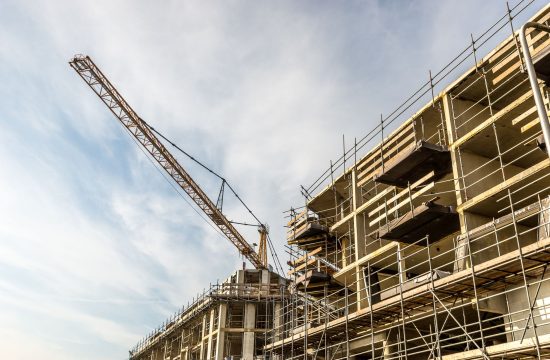
Affordable housing bond initiatives are gaining traction, with Shelter Afrique launching a significant FCFA 60bn bond to support development projects.
What is the Affordable Housing Bond?
The Affordable Housing Bond is a financial instrument designed to support the development of affordable housing projects. By leveraging investments, these bonds aim to address the critical shortage of low-cost housing options for individuals and families in need.
In recent initiatives, such as the FCFA 60 billion bond launched by Shelter Afrique, the focus is on providing accessible funding for developers committed to creating affordable housing solutions. This approach not only enhances the availability of residential units but also stimulates economic growth in communities.
Key features of the Affordable Housing Bond include:
- Low-interest rates: These bonds typically offer favorable rates, making it easier for developers to finance projects.
- Long-term investment: Investors are encouraged to commit funds for extended periods, ensuring stability in housing development.
- Community impact: The projects funded through these bonds often focus on underserved areas, contributing to social equity.
Overall, the Affordable Housing Bond represents a strategic approach to tackling housing shortages while promoting investment in local economies.
Impact of Shelter Afrique’s Initiative
Shelter Afrique’s recent initiative to launch a FCFA 60 billion bond aims to significantly impact the landscape of affordable housing in Africa. This affordable housing bond is designed to mobilize funding for the construction and development of sustainable housing projects across the continent.
The initiative comes at a crucial time when the demand for affordable housing is escalating due to rapid urbanization and population growth. By leveraging this bond, Shelter Afrique seeks to:
- Attract Private Investment: The bond will encourage private sector participation in the housing market, ensuring that investments flow into affordable housing projects.
- Stimulate Local Economies: The development of affordable housing is expected to create jobs and boost local economies, benefiting communities at large.
- Enhance Access to Housing: With increased funding, more families will gain access to affordable housing options, helping to alleviate the housing crisis in urban areas.
Overall, the launch of this affordable housing bond represents a proactive step towards addressing housing shortages and improving living conditions for countless individuals across Africa.
Benefits of Investing in Affordable Housing
Investing in an affordable housing bond presents numerous benefits that extend beyond simply providing shelter. Such initiatives can significantly enhance community development and economic growth. Here are some key advantages:
- Increased Economic Activity: Affordable housing projects stimulate local economies by creating jobs in construction and related sectors.
- Social Stability: Providing stable housing helps to foster community cohesion, reducing crime rates and promoting a sense of belonging among residents.
- Environmental Sustainability: Many affordable housing developments incorporate eco-friendly designs, contributing to sustainable urban growth.
- Financial Returns: Investing in affordable housing bonds can yield attractive financial returns while supporting a social cause, appealing to socially conscious investors.
- Addressing Housing Shortages: These bonds help to alleviate housing shortages, making it possible for more families to access safe and affordable living conditions.
By supporting affordable housing bonds, investors not only contribute to the creation of vital living spaces but also promote overall community well-being and economic resilience.
Challenges Facing Housing Development
Despite the potential benefits of the affordable housing bond, several challenges hinder the development of housing projects. These obstacles can affect both investors and potential homeowners.
- High Construction Costs: Rising material prices and labor shortages can inflate the overall costs of construction, making it difficult for developers to complete projects within budget.
- Bureaucratic Hurdles: Lengthy approval processes and complicated regulations can delay housing developments, causing uncertainty for investors and diminishing returns.
- Lack of Infrastructure: Inadequate infrastructure in some regions makes it challenging to develop affordable housing, as essential services such as roads, water, and electricity may be insufficient or absent.
- Market Demand Fluctuations: Changes in economic conditions can impact the demand for affordable housing, leading to volatility in the market and affecting the attractiveness of the affordable housing bond.
- Financing Barriers: Limited access to financing options for low-income families can hinder their ability to purchase homes, ultimately affecting the success of affordable housing initiatives.
Addressing these challenges is crucial for the effective implementation of the affordable housing bond and the overall success of housing development projects.
Future of Housing Finance in Africa
The future of housing finance in Africa looks promising, especially with innovative solutions like the affordable housing bond gaining traction. As urbanization continues to accelerate across the continent, the need for sustainable and affordable housing options becomes increasingly urgent.
Experts predict that the introduction of affordable housing bonds will revolutionize the housing market by mobilizing private sector investments. This influx of capital can play a pivotal role in addressing the housing deficit while enhancing the overall quality of infrastructure.
Key stakeholders, including governments, financial institutions, and non-governmental organizations, are recognizing the importance of collaboration in this sector. By leveraging resources and expertise, they can create a more robust framework for financing housing projects.
Furthermore, initiatives like Shelter Afrique’s recent bond launch signal a commitment to long-term solutions. These bonds not only provide funding for development but also offer a framework for accountability and transparency in the use of funds.
In conclusion, the focus on affordable housing bonds represents a significant step forward in tackling housing challenges in Africa, paving the way for a more sustainable future.