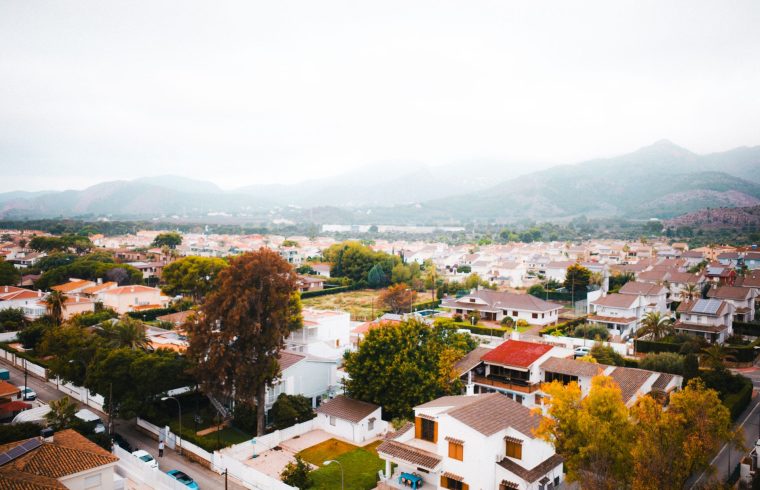
house prices in Spain are surging, outpacing wage growth and causing concern for potential buyers. This trend raises questions about affordability and economic stability.
Current Trends in Spain’s Housing Market
In recent months, the Spanish housing market has experienced significant fluctuations, raising concerns among potential homeowners and renters alike. The current trends indicate a substantial rise in house prices in Spain, which has outpaced wage growth across the country.
According to recent reports, the average cost of housing has surged due to various factors. These include:
- Increased demand: A surge in both domestic and foreign interest has led to higher demand for properties, particularly in popular urban areas.
- Limited supply: The availability of affordable housing stock remains low, exacerbating the challenges for buyers and renters.
- Rising construction costs: The costs associated with building new homes have risen, impacting the overall prices in the market.
This rapid increase in house prices in Spain has created a widening gap between income growth and the housing market. Many individuals are finding it increasingly difficult to secure a home, as wages have not kept pace with rising costs. The situation has led to a growing sentiment of frustration, as many fear they may be priced out of the market altogether.
As the housing market continues to evolve, stakeholders are urged to consider the long-term implications for affordability and access to housing for all.
Impact of Rising House Prices on Buyers
The surge in house prices in Spain has created a significant burden for potential buyers, particularly those with fixed or stagnating incomes. As property values continue to climb, many individuals are finding it increasingly difficult to secure affordable housing. This situation is exacerbated by the fact that wages have not kept pace with the escalating costs of homes.
Many analysts point to several factors contributing to this disparity:
- Low housing supply: The limited availability of properties has led to fierce competition among buyers, driving prices even higher.
- Increased demand: A growing interest from foreign investors has added pressure to the market, making it tougher for local buyers to compete.
- Rising construction costs: Higher prices for materials and labor have also been a contributing factor in the overall increase in house prices in Spain.
As a result, many potential homeowners are now forced to reassess their expectations and consider alternatives, such as renting or seeking properties in less desirable areas. The gap between wages and the cost of living continues to widen, highlighting the urgent need for solutions that address both income growth and housing affordability in Spain.
Understanding Wage Growth in Spain
The relationship between wage growth and house prices in Spain is becoming increasingly strained. Despite a steady increase in salaries, recent data shows that house prices in Spain are outpacing wage growth, leading to significant concerns for potential homebuyers.
In the past few years, the average wage in Spain has seen a modest rise. However, this increase has not kept pace with the surging costs of housing. As a result, many individuals and families find themselves in a precarious situation, where their earnings cannot support the financial demands of purchasing a home.
Key factors contributing to this disparity include:
- Inflationary pressures: Rising costs of living have eroded the purchasing power of wages.
- Low housing supply: A shortage of available homes has driven prices higher, exacerbating the issue.
- Investment demand: Increased interest from foreign investors has further inflated the market.
The combination of these elements creates a challenging environment for first-time buyers and those wishing to upgrade their living situations. Ultimately, while wage growth is a positive development, it remains insufficient in addressing the escalating house prices in Spain, leaving many in a state of financial uncertainty.
Factors Driving House Price Increases
The rise in house prices in Spain can be attributed to several key factors that have created a perfect storm for potential buyers. Understanding these elements is crucial for grasping the broader implications on the housing market and economic landscape.
- Supply and Demand Imbalance: A significant shortage of affordable housing has led to fierce competition among buyers. With demand outstripping supply, prices have surged, making homeownership increasingly unattainable for many.
- Foreign Investment: Increased interest from international investors has driven up property prices in popular regions. Cities like Barcelona and Madrid see a notable influx of foreign capital, further exacerbating the competition for local buyers.
- Low Interest Rates: The current low-interest-rate environment has made borrowing more accessible. While this facilitates home purchases, it also encourages higher prices as buyers are willing to spend more due to lower monthly payments.
- Economic Recovery: As Spain’s economy recovers from previous downturns, consumer confidence has grown. This renewed optimism has spurred more people to enter the housing market, pushing prices upward.
These factors combined illustrate the complex dynamics at play in the housing sector, where rising house prices in Spain continue to outpace wage growth, leaving many struggling to keep up.
Government Policies and Housing
The government policies surrounding housing in Spain have come under scrutiny as house prices continue to rise, outpacing wage growth significantly. This discrepancy has raised concerns among both economists and the general public, who are increasingly worried about housing affordability.
Recent initiatives aimed at curbing the rapid increase in house prices have yet to yield meaningful results. Several factors contribute to the ongoing crisis:
- Lack of affordable housing: The construction of affordable homes has not kept pace with demand, leading to a shortage that drives prices higher.
- Speculative investments: Increased foreign investment in real estate has exacerbated the situation, particularly in popular urban areas, pushing prices beyond the reach of local buyers.
- Regulatory challenges: Bureaucratic hurdles can delay housing projects, further limiting supply and allowing prices to surge.
- Economic policies: Current economic strategies have not effectively addressed the balance between wage growth and housing costs, leaving many families struggling.
As the gap between house prices in Spain and average wages widens, the need for comprehensive policy reform becomes increasingly urgent. Ensuring housing affordability is essential for the country’s economic stability and social welfare.
Comparing Spain’s Market to Other Countries
When examining the dynamics of house prices in Spain, it becomes crucial to compare its housing market with those of other countries. In recent years, several nations have experienced significant fluctuations in property values, but the rate of increase in Spain stands out.
According to various reports, the escalation of house prices in Spain has outpaced wage growth more dramatically than in other European countries. For instance, in Germany, although property values have risen, they have not surged to the same extent as in Spain, where affordability remains a pressing issue for many residents.
Some key comparisons include:
- France: While Paris has seen a spike in prices, the overall national average has remained more stable compared to Spain.
- Italy: Italian house prices have experienced stagnation in many regions, contrasting sharply with the rapid growth in Spain.
- United Kingdom: London may have higher absolute prices, but other UK regions show a more balanced relationship between wages and housing costs.
Thus, as Spain’s housing market continues to evolve, it becomes increasingly critical for policymakers to address the growing disparity between house prices and wages. This imbalance poses challenges not only for current buyers but also for the overall economy.
Future Predictions for Spain’s Real Estate
As analysts look ahead, the future predictions for house prices in Spain indicate a continued upward trajectory that could outpace wage growth. Despite recent government efforts to stabilize the real estate market, the imbalance between income and housing costs remains a pressing concern for many Spaniards.
Experts suggest that several factors will contribute to this ongoing rise:
- Low interest rates: The current environment of low borrowing costs may encourage more buyers to enter the market, driving competition and, consequently, prices higher.
- Increased foreign investment: Spain continues to attract international buyers, particularly in popular tourist areas, which puts additional pressure on local housing markets.
- Urbanization trends: As more people move to urban centers seeking job opportunities, demand for housing in these areas will likely increase, pushing prices up further.
- Limited housing supply: A sluggish construction rate and regulatory hurdles are making it difficult to keep up with demand, exacerbating the issue of rising house prices in Spain.
In conclusion, unless wage growth accelerates significantly, many buyers may find themselves increasingly priced out of the market, underlining the urgent need for effective housing policies that address this disparity.
Advice for Homebuyers in Spain
As house prices in Spain continue to climb at a pace that outstrips wage growth, prospective homebuyers face an increasingly challenging landscape. To navigate this market effectively, it is crucial to adopt a strategic approach.
Firstly, consider the following tips:
- Research Local Markets: Familiarize yourself with specific regions, as prices can vary significantly across Spain. Areas that were once considered affordable may now be out of reach.
- Set a Realistic Budget: With wages not keeping up with rising house prices, it’s vital to establish a budget that takes into account all potential costs, including taxes and maintenance.
- Explore Alternative Financing Options: Investigate different mortgage products and government schemes designed to support first-time buyers, which could ease the financial burden.
- Be Prepared to Compromise: Flexibility in your preferences, such as location and property type, can open up more opportunities in a competitive market.
- Consult Real Estate Experts: Engaging with a knowledgeable real estate agent can provide valuable insights and help you identify properties that fit your budget.
Ultimately, staying informed and adaptable is key for homebuyers in Spain as they navigate the complexities of the current housing market.
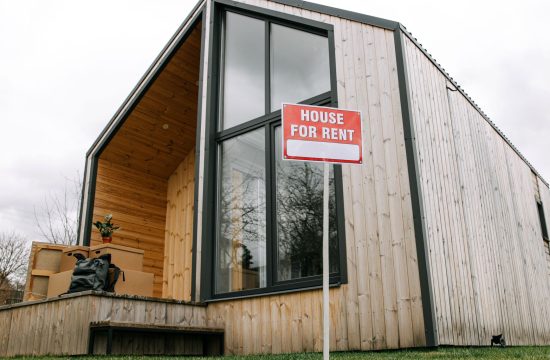
Photo by David Wilkowski on Pexels
Sources
You might also like
Arunachal Road Projects: Proven Benefits for Infrastructure Growth · Pune Metro Line 3: Best News for Commuters with Proven Benefits · India Nepal electricity supply: Quick and Proven Relief