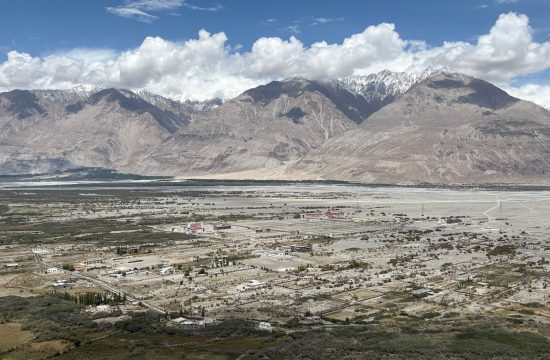
The Udaipur road project has received approval to divert 14.6568 hectares of forest, marking a significant step in enhancing local infrastructure.
Overview of the Udaipur Road Project
The Udaipur road project has recently received significant attention following the approval to divert 14.6568 hectares of forest land. This decision is crucial for the timely completion of the project, which aims to enhance transportation infrastructure in the region.
The project is expected to yield several benefits, including:
- Improved Connectivity: The new road will provide better access to remote areas, facilitating trade and travel.
- Economic Growth: Enhanced transport links are likely to boost local businesses and attract investments.
- Time Efficiency: The new route is anticipated to reduce travel time, making commutes shorter for residents and visitors alike.
However, the diversion of forest land has raised environmental concerns among local activists. Many are advocating for measures to mitigate the impact on the ecosystem. Balancing development and conservation remains a critical issue as the Udaipur road project progresses.
As construction begins, stakeholders are urged to monitor the situation closely, ensuring that environmental standards are upheld while the infrastructure is developed.
Environmental Concerns and Mitigations
The Udaipur road project has sparked significant environmental concerns among local communities and conservationists. The approval to divert 14.6568 hectares of forest land has raised alarms about the potential impact on biodiversity and local wildlife habitats.
Opponents argue that the deforestation could lead to irreversible damage to the ecosystem in the region, particularly affecting endangered species that rely on these forests for survival. The project’s planners, however, have proposed several mitigation measures to address these concerns, including:
- Reforestation efforts in nearby areas to compensate for the loss of forest cover.
- Wildlife corridors to ensure safe passage for animals affected by the road construction.
- Regular environmental assessments to monitor the impact of the construction on local ecosystems.
Despite these measures, many remain skeptical about the effectiveness of the proposed mitigations. As construction of the Udaipur road project moves forward, ongoing discussions about its environmental implications continue to be a focal point for local advocacy groups.
Government’s Role in Infrastructure
The government’s involvement in the Udaipur road project has been pivotal in its progression, particularly in addressing infrastructure needs while balancing environmental concerns. Recent developments indicate a swift approval for the diversion of 14.6568 hectares of forest land, a decision that has sparked discussions among environmentalists and local communities.
Officials have emphasized the importance of enhancing connectivity in the region, aiming to facilitate economic growth and improve transportation networks. The road project is expected to significantly reduce travel time between key destinations, fostering better access to markets and services for residents.
To ensure responsible management of the project, the government has outlined several measures:
- Environmental Monitoring: Continuous evaluation of ecological impacts will be mandatory.
- Reforestation Initiatives: Plans to plant trees equivalent to those affected by the road construction.
- Community Engagement: Involving local populations in decision-making processes to address their concerns.
As the Udaipur road project moves forward, the government’s commitment to sustainable development remains crucial in balancing infrastructure growth with ecological preservation.
Community Impact of the Project
The Udaipur road project is set to significantly impact local communities, both positively and negatively. Residents have expressed a mix of hope and concern regarding the new infrastructure.
One of the main benefits of the Udaipur road project is improved accessibility. Local leaders believe that enhanced road connectivity will:
- Facilitate trade and transportation of goods, boosting the local economy.
- Attract tourists, contributing to the growth of the hospitality sector.
- Reduce travel time between Udaipur and neighboring regions, promoting regional integration.
However, there are apprehensions among community members about the potential disruption to their daily lives. Some concerns include:
- Loss of agricultural land due to road expansion.
- Increased traffic leading to safety issues.
- Possible environmental degradation affecting local wildlife habitats.
As the Udaipur road project moves forward, it will be essential for authorities to engage with the community, ensuring that their voices are heard and their needs are addressed.
Future Developments in Udaipur
The Udaipur road project is set to pave the way for significant future developments in the region, enhancing connectivity and infrastructure. As the project progresses, several key initiatives are expected to emerge, reshaping the landscape of Udaipur.
- Improved Transportation: The new road will facilitate smoother travel between Udaipur and neighboring districts, reducing travel time and promoting trade.
- Urban Development: With better access, the project is anticipated to attract investments in residential and commercial spaces, leading to urban expansion.
- Tourism Boost: Udaipur, known for its rich cultural heritage, stands to gain from increased tourist footfall, thanks to enhanced road connectivity.
- Job Creation: The construction and subsequent growth in infrastructure will generate numerous job opportunities for local residents.
- Environmental Initiatives: Alongside development, there will be a focus on sustainable practices to mitigate any adverse effects on the environment.
Overall, the Udaipur road project promises to be a catalyst for growth, driving the region towards a brighter, more connected future.
Photo by Yash Limaje on Pexels