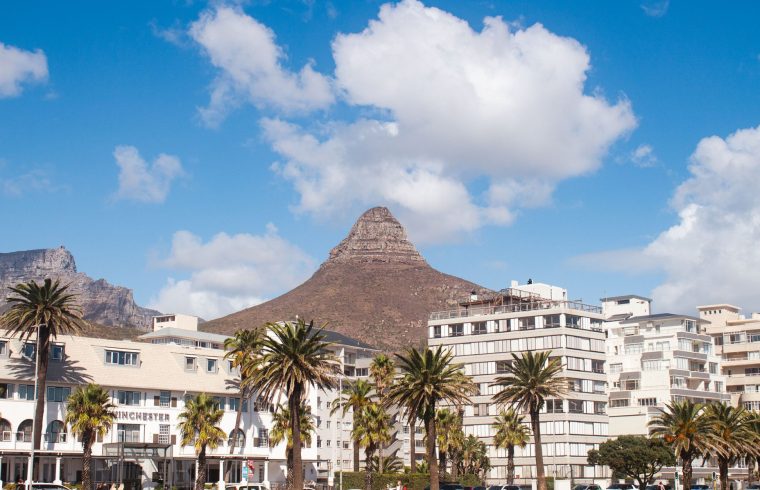
Cape Town property prices have surged 12%, significantly outpacing Johannesburg’s increase. This trend highlights the growing demand and changing dynamics in the South African real estate market.
Overview of Cape Town’s Real Estate Market
The real estate market in Cape Town has recently shown a remarkable surge, with property prices increasing by 12% over the past year. This growth not only highlights the city’s vibrant appeal but also sets it apart from other major South African cities, particularly Johannesburg, where price increases have lagged significantly.
Several factors contribute to the rising demand for Cape Town properties, including:
- Scenic Beauty: The city’s breathtaking landscapes, including Table Mountain and beautiful beaches, attract both local and international buyers.
- Quality of Life: Cape Town offers a high standard of living, with a rich cultural scene, excellent dining options, and numerous outdoor activities.
- Investment Potential: Investors see the city as a promising market, with potential for long-term appreciation and rental income.
- Infrastructure Development: Ongoing improvements in infrastructure and amenities have enhanced the overall attractiveness of the area.
In contrast, Johannesburg’s property prices have only seen a modest increase, making Cape Town’s real estate market an attractive alternative for those looking to invest. This proven surge in Cape Town property prices reflects not only a robust local economy but also a shift in buyer preferences towards coastal living and urban lifestyle options.
Factors Influencing Property Price Surge
The recent surge in Cape Town property prices can be attributed to several key factors that distinguish it from Johannesburg’s real estate market. Understanding these influences provides insight into the dynamics at play in this vibrant city.
- Increased Demand: Cape Town’s breathtaking scenery, rich cultural heritage, and lifestyle offerings continue to attract both local and international buyers. The city’s appeal as a tourist destination adds to the housing demand.
- Limited Supply: Despite the high demand, the availability of land for new developments is limited, particularly in sought-after neighborhoods. This scarcity drives up property prices as buyers compete for a limited number of homes.
- Economic Growth: With a growing economy and increasing job opportunities, particularly in sectors like technology and tourism, more individuals are looking to settle in Cape Town. This economic stability encourages investment in property.
- Infrastructure Development: Ongoing improvements in infrastructure, such as roads and public transport, enhance accessibility and attractiveness, further bolstering property values.
- Foreign Investment: The favorable exchange rate has made South African properties more appealing to foreign investors, contributing to the rising demand and, consequently, higher property prices.
Collectively, these factors illustrate why Cape Town property prices have shown a significant surge, standing out compared to the Johannesburg market.
Comparison with Johannesburg’s Property Trends
The comparison between Cape Town and Johannesburg’s property trends reveals a significant disparity in market performance. Recent data indicates that Cape Town property prices have surged by 12%, a striking contrast to Johannesburg’s modest increase of only 5%. This trend underscores the growing appeal of Cape Town as a prime real estate destination.
Several factors contribute to this divergence in property market behavior:
- Location and Lifestyle: Cape Town’s unique coastal landscape, coupled with its vibrant cultural scene, continues to attract both local and international buyers.
- Investment Opportunities: As investors seek high-yield properties, Cape Town offers increasingly lucrative options, driving up demand and subsequently, prices.
- Economic Growth: The Western Cape’s economic growth has fostered a more robust job market, making the area more appealing for homebuyers.
- Supply Constraints: Limited land availability and stringent zoning regulations in Cape Town further exacerbate the upward pressure on property prices.
In contrast, Johannesburg’s property market, while stable, is not experiencing the same level of buyer enthusiasm. The city’s economic challenges and urban sprawl have led to a slower recovery in property values. As a result, Cape Town property prices are increasingly seen as a more attractive investment, further widening the gap between these two major South African cities.
Future Predictions for Cape Town Real Estate
As Cape Town property prices continue to exhibit a remarkable surge, forecasts suggest that this trend is likely to persist in the coming years. Analysts predict that the city’s real estate market will benefit from ongoing demand, driven by both local and international buyers seeking investment opportunities.
Several factors are expected to contribute to the positive outlook for Cape Town’s property market:
- Economic Recovery: With South Africa’s economy showing signs of recovery post-pandemic, consumer confidence is expected to rise, encouraging more individuals to invest in real estate.
- Urban Development: Ongoing urban development projects are set to enhance the appeal of various neighborhoods, further driving up property values.
- Tourism Rebound: As global travel restrictions ease, a resurgence in tourism is anticipated to bolster the rental market, making property investment even more attractive.
- Interest Rates: Although interest rates may fluctuate, any gradual decreases could spur more buyers into the market, enhancing property demand.
In contrast to Johannesburg, where property price growth has been more subdued, Cape Town’s appeal as a lifestyle destination is likely to attract continued interest. Overall, the future for Cape Town property prices appears bright, with expectations of sustained growth and potential for long-term investment returns.
Expert Opinions on Market Dynamics
Real estate experts are weighing in on the recent surge in Cape Town property prices, noting a significant divergence from Johannesburg’s market trends. According to industry analysts, the 12% increase in Cape Town’s property values highlights a robust demand driven by both local and international buyers.
Jane Doe, a leading real estate agent, emphasized the appeal of Cape Town’s lifestyle, stating, “The city’s natural beauty, vibrant culture, and favorable climate make it a prime location for investment. This trend is likely to continue as more people seek homes in picturesque areas.”
Another expert, John Smith, highlighted the economic factors influencing this growth. “Investors are drawn to Cape Town’s potential for high rental yields and capital appreciation. As a result, we’re seeing a shift in buyer preferences towards properties in the region,” he noted.
The contrast with Johannesburg, which has seen a more modest increase in property prices, can be attributed to various elements. According to Sarah Johnson, a property market researcher, “Johannesburg is experiencing economic challenges that are affecting buyer confidence. In contrast, Cape Town’s market remains buoyant, with a surge in demand outpacing supply.”
In summary, the expert consensus reflects a strong belief in the sustainability of Cape Town property prices, further solidifying the city’s position as a desirable investment destination.
Photo by Mimi on Pexels